

Understanding Vehicle Recalls: A Simple Guide for Drivers
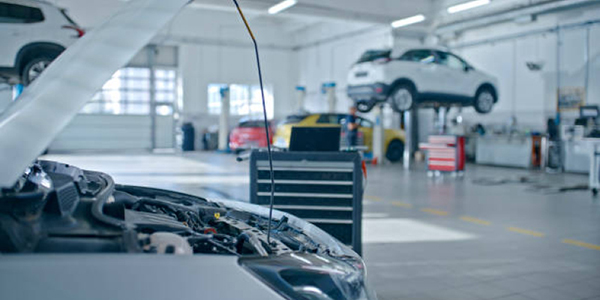
How recall notices are designed to protect drivers and why understanding them helps take the worry out of the process.
Most drivers will receive a recall notice at some point, but many aren’t sure what it actually means—or how seriously they should take it. The good news is that recalls exist to protect you, and understanding them makes the process much less stressful.
Recalls vs. Voluntary Campaigns
Not every notice means your vehicle is unsafe. A recall is issued when a manufacturer identifies a problem that could affect safety or regulatory compliance. A voluntary campaign, on the other hand, is typically a non-safety improvement, such as a software update or a minor component adjustment. Both are worth repairing, but recalls carry greater urgency.
According to the National Highway Traffic Safety Administration, The United States Code for Motor Vehicle Safety (Title 49, Chapter 301) defines motor vehicle safety as “the performance of a motor vehicle or motor vehicle equipment in a way that protects the public against unreasonable risk of accidents occurring because of the design, construction, or performance of a motor vehicle, and against unreasonable risk of death or injury in an accident, and includes nonoperational safety of a motor vehicle.” A defect includes “any defect in performance, construction, a component, or material of a motor vehicle or motor vehicle equipment.” Generally, a safety defect is defined as a problem that exists in a motor vehicle or item of motor vehicle equipment that:
- Poses a risk to motor vehicle safety
- May exist in a group of vehicles of the same design or manufacture, or items of equipment of the same type and manufacture.
How urgent is my recall?
Urgency depends on the type of issue involved. Safety-related recalls—such as those affecting airbags or braking systems—should be addressed as soon as possible, as they can lead to serious injury if left unresolved. Other recalls, like certain software updates that don’t impact vehicle safety, may be less time-sensitive. When in doubt, your local dealership can explain the risk level and help you understand the recommended timeline.
Where do I take it to get the service completed?
Recall repairs should only be completed at a dealership. Dealerships have access to brand-specific training, approved parts, and official repair procedures. Independent repair shops are not manufacturer-certified to perform recall work. All recalls are fully covered by the manufacturer, so it is important to take your vehicle to a certified dealership so you don't have to pay out of pocket.
If you receive a recall notice or have any questions, call or text our service team and we will be happy to assist.